
Exploiting Brain Neuroplasticity and Using Virtual Reality for Behavioral and Cognitive Modulation

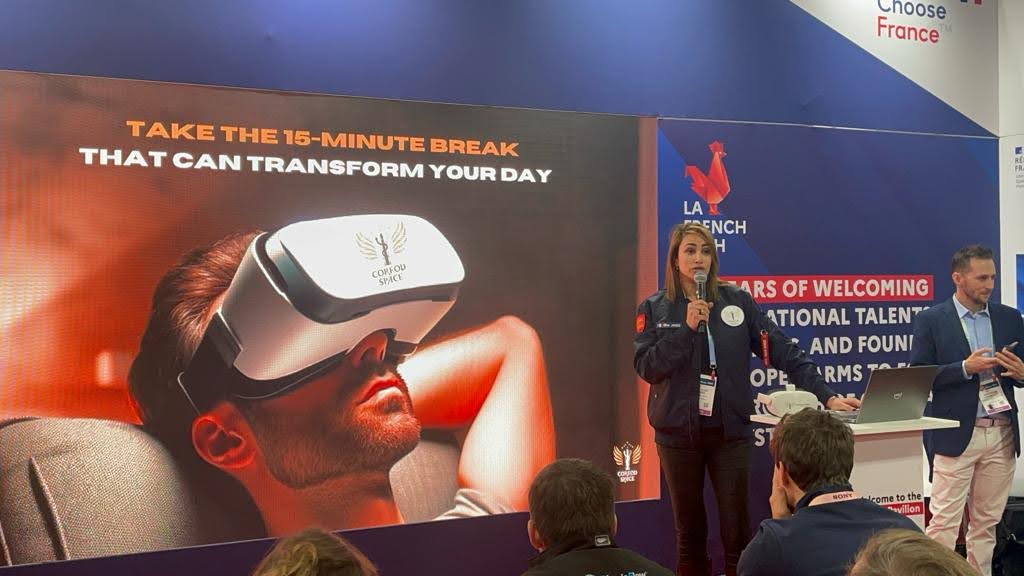
Discover how VR and neuroscience reshape behavior by leveraging neuroplasticity and altered states of consciousness through COREOD SPACE’s innovative VR Neuropsy protocols.
I. Introduction
In the current context marked by rising neurological, psychomotor, and cognitive challenges, the intersection of applied neuroscience with virtual reality proves to be a multidisciplinary field at the crossroads of technology, psychology, and neurobiology. This report aims to synthesize our research and development efforts at the International Laboratory of Research in Aerospace Neuropsychology (LIRNAS). We unveil our major innovation: a portable device coupled with specific software designed for human behavior modulation through neuropsychological protocols applied via virtual reality, termed "VR Neuropsy protocols."
This work aims to understand and leverage the neurological and psychomotor mechanisms underlying various conditions, from stress management to resilience in extreme environments such as aerospace. Using a formal and scientific language, this report presents the neurobiological foundations of our innovation, specifically how it exploits altered states of consciousness and brain plasticity to achieve lasting behavioral transformations.
The objective is to highlight the practical and therapeutic applications of these technological advances, while discussing implications for specific populations such as astronauts, military personnel, and corporate employees. This report aspires to provide an integrative and detailed view of our research and development activities, contributing to the rapidly evolving scientific landscape in this field.
II. Neuropsychological Virtual Reality Protocols Developed by COREOD SPACE
a. Contextualization: The Cinema Analogy
When attending a cinematic projection and being fully immersed in the narrative, a range of emotions, from laughter to sadness or fear, can be induced depending on the storyline. This emotional experience is accompanied by specific physiological and physical responses, such as tachycardia, tear secretion, and sweating, indistinguishable from those triggered in similar real situations. Multiple empirical studies have established that the brain does not discriminate between real and simulated stimuli as long as a plurality of sensory systems (visual, auditory, tactile, olfactory) transmits information congruent with a particular environment. Consequently, the neuronal processing of this information occurs as if it were a tangible reality.
b. Presentation of our innovation and protocols
Within our research entity, the International Laboratory of Research in Aerospace Neuropsychology (LIRNAS), we have developed a major technological innovation: a portable software device integrating virtual reality applications for neuropsychological treatment. This intervention modality utilizes the mechanism of neuroplasticity to substitute deviant neural information that the user wants to rectify with new neuropsychological information. This informational manipulation simultaneously leads to observable behavioral modifications in the individual. This process is designated as "VR Neuropsy Protocol."
We have developed several therapeutic protocol schemes aimed at substantially improving cognitive, psychomotor, and neurological functions of individuals. These protocols address a diverse range of themes, including stress reactivity regulation, optimization of sleep-wake cycles, strengthening self-confidence, assisting in managing addictive behaviors, as well as preventing and treating burnout syndrome. The duration of a protocol generally ranges between ten and fifteen minutes.
c. Areas of application (non-exhaustive list)
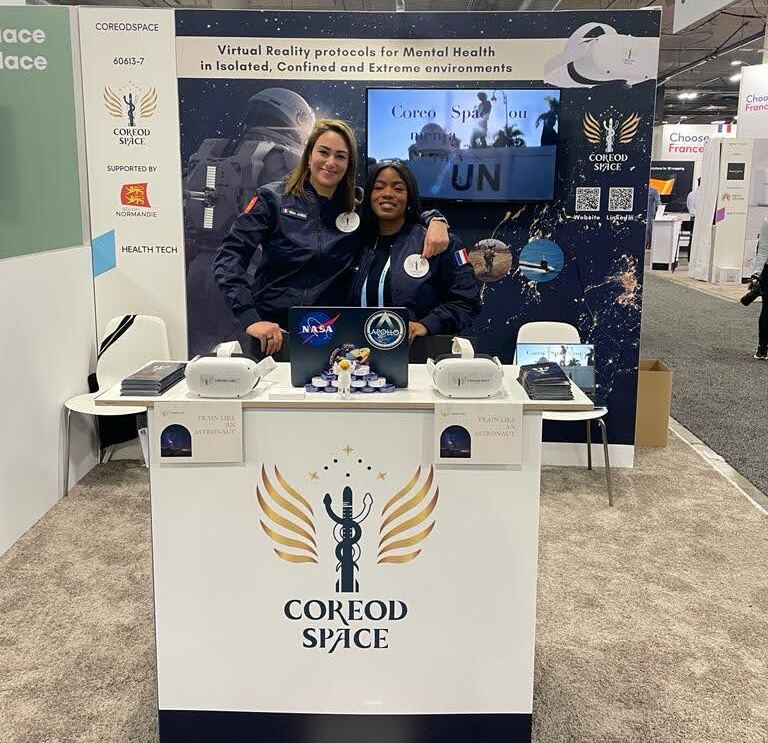
Our innovative solution will be carefully adapted to meet the specific needs of four relevant application areas, namely astronauts, submariners, armed forces, and employees of large companies. These sectors have been selected due to the particular challenges they pose in terms of psychomotor skills, cognition, and mental well-being, challenges to which our solution is particularly adept at responding. Astronauts and submariners face isolated and stressful environments requiring optimal mental and motor performance. The military, dealing with high-pressure situations requiring rapid decision-making, would significantly benefit from improved cognition and emotional resilience. Finally, employees of large companies are often exposed to competitive and stressful environments, making the development of their psychomotor and cognitive skills relevant to enhancing their well-being and efficiency.
Therefore, our solution is not only versatile but also specifically designed to address the complex needs of these target groups. In a collaborative effort with the National Center for Space Studies (CNES) and the European Space Agency (ESA), we are currently in the design phase of a customized therapeutic program for astronauts. The main goal of this program is to optimize cognitive and motor functions in a space environment, with a particular focus on enhancing resilience in Isolated, Confined, and Extreme (ICE) conditions. Similarly, submarine personnel represent a population facing extreme conditions of isolation and confinement, making them ideal candidates for the application of our protocols.
Regarding the armed forces and peacekeeping contingents, our virtual reality (VR) devices are specifically adapted to address cases of post-traumatic stress, a unfortunately common pathology among military personnel engaged in conflict zones.
Finally, concerning employees of large companies, the issue of stress and burnout syndrome has gained increased urgency, especially due to the Covid-19 pandemic. These issues have drawn attention from both political institutions and the scientific community. We have thus developed prototypes with protocols specifically tailored to the needs of the professional environment and have begun deploying them to Human Resources and occupational medicine services.
III. Scientific Research Foundation
a. Neuronal Functioning
Neurons are the fundamental cells of the nervous system, responsible for transmitting information in the form of electrochemical impulses. They play a crucial role in psychomotor functions by participating in the coordination of movements and cognitive functions. Neuronal functioning can be described in three main stages: reception, transmission, and communication.
During neuronal reception, neurons capture electrical impulses either from other nerve cells or from sensory cells located in various perception organs such as visual, auditory, or cutaneous systems. During neuronal transmission, following the reception of an electrical stimulus of threshold intensity, the neuron initiates an electrophysiological phenomenon known as action potential. This corresponds to a brief phase of membrane depolarization that propagates unidirectionally along thecell's axon. Neurons are interconnected via specialized structures called synapses, where the transduction of the electrical signal into a chemical signal occurs through the release of neurotransmitter molecules.
During neuronal communication, upon the arrival of the action potential at axonal terminals, synaptic release of neurotransmitters occurs in the synaptic cleft. These neurotransmitters then bind to specific receptor sites located on the dendrites of postsynaptic neurons, subsequently inducing the generation of a new electrical potential within them. This fundamental mechanism ensures the transmission of electrochemical information between neurons, thus allowing the integration and functional coordination of various brain and systemic regions.
b. Link Between Neurons and Psychomotricity
In the context of psychomotricity, a field that examines the synergy between psychological and motor components of the organism, neurons play a crucial role in facilitating interregional communication within brain structures and the central nervous system.
For the regulation of motor coordination, the primary motor cortex, located in the frontal lobe, is particularly relevant. Neurons in this area send motor commands to muscles, initiating and modulating movements. The cerebellum, another key structure, ensures the precision and accuracy of movements by continuously receiving information from sensory systems and adjusting motor commands accordingly.
In psychological terms, the limbic system, including structures like the amygdala and hippocampus, is involved in the regulation of emotional responses and memory formation. Interactions between these emotional and cognitive centers, facilitated by the neuronal network, contribute to the psychomotor integration essential for adaptive and purposeful behavior.
c. Altered State of Consciousness
The concept of altered states of consciousness refers to a condition where an individual's awareness, thoughts, or perceptions deviate from the ordinary waking state. These altered states can occur naturally, as seen in dream states or meditation, or be induced through external means, such as psychoactive substances or certain physiological conditions. Research indicates that altered states of consciousness can significantly impact cognitive and behavioral processes. Understanding and manipulating these states have become central in various therapeutic and cognitive enhancement approaches. Virtual reality, as an immersive and experiential medium, provides a unique platform to induce and study altered states of consciousness in a controlled and customizable manner.
d. Brain Plasticity
Brain plasticity, also known as neuroplasticity, refers to the brain's ability to reorganize and adapt by forming new neural connections throughout life. This phenomenon is fundamental to learning, memory, and recovery from injuries. Plasticity occurs at different scales, from synaptic changes to the reorganization of entire brain regions.
The two main types of plasticity are structural plasticity, involving physical changes in the brain's structure, and functional plasticity, involving alterations in the strength and efficiency of synaptic connections. Both types of plasticity contribute to the brain's capacity to adapt to new experiences, learn new skills, and recover from damage.
Understanding brain plasticity is crucial in the context of our neuropsychological protocols. By presenting the brain with carefully designed virtual reality experiences, we aim to leverage its plasticity to induce positive and lasting changes in behavior, cognition, and psychomotor skills.
IV. The use of Virtual Reality in creating an altred state of consciousness
a. Behavioral Impacts of Virtual Reality.
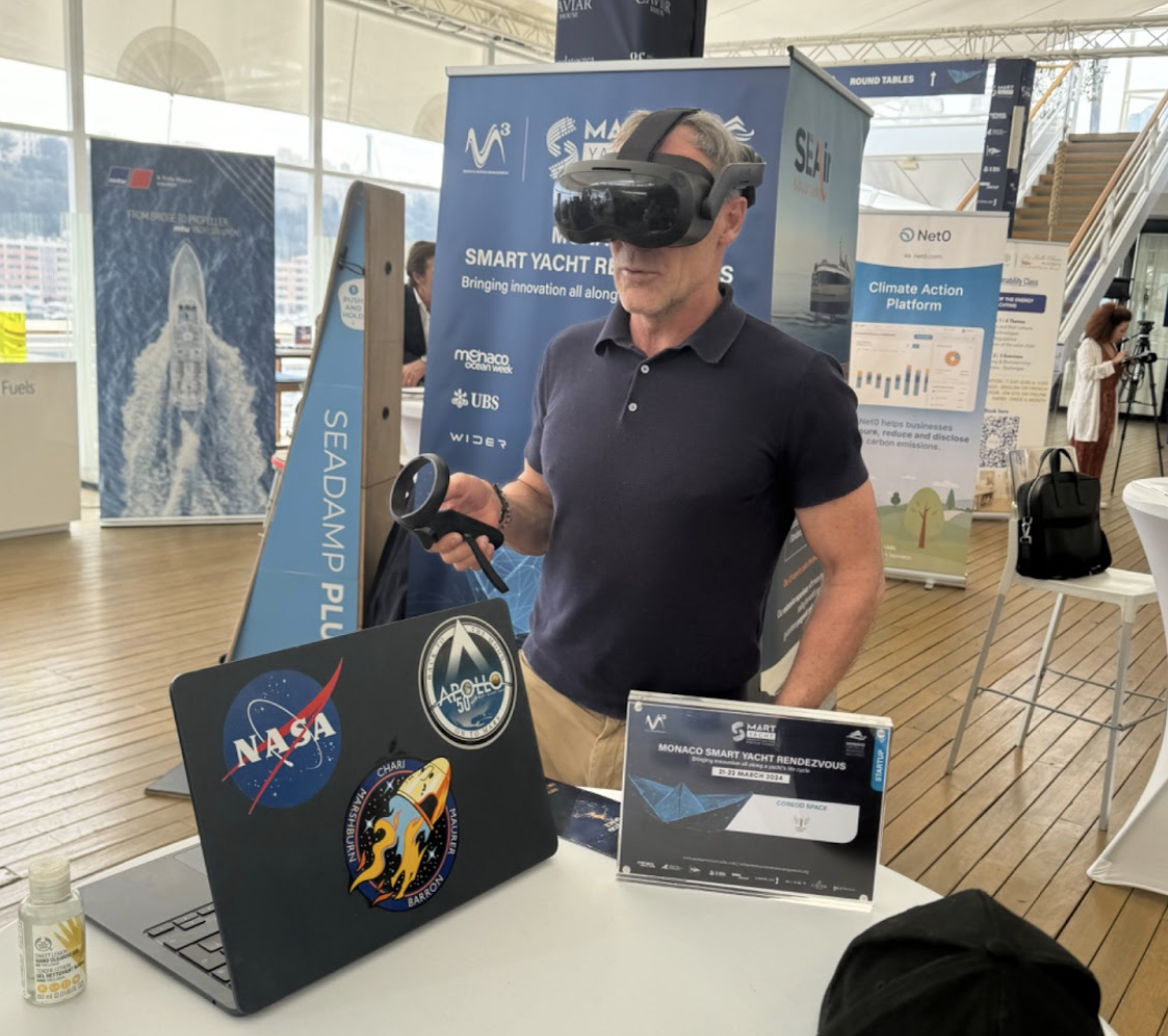
Virtual reality (VR) technology creates a simulated environment that engages multiple sensory modalities, providing an immersive experience for the user. This immersive quality makes VR a powerful tool for inducing altered states of consciousness, as the brain responds to the virtual environment in a manner similar to the way it processes real-world stimuli.
Research has shown that VR experiences can evoke emotional responses, trigger physiological reactions, and influence cognitive processes. The sense of presence and immersion in a virtual environment leads to a suspension of disbelief, wherein users temporarily accept the virtual world as real. This suspension allows for the manipulation of perceptions and experiences, making VR an effective medium for therapeutic interventions and behavioral modifications.
In the context of our neuropsychological protocols, we leverage the behavioral impacts of VR to create targeted interventions. By designing virtual scenarios that challenge or enhance specific cognitive and psychomotor functions, we aim to induce adaptive changes in neural processing, ultimately leading to observable behavioral improvements. Altered State of Consciousness Worked by Virtual Reality
The immersive nature of VR, coupled with its ability to engage multiple sensory channels simultaneously, makes it a potent tool for inducing altered states of consciousness. While traditional methods of inducing altered states, such as meditation or psychoactive substances, may require extensive training or pose inherent risks, VR offers a controlled and customizable alternative.
b. Altered State of Consciousness Worked by Virtual Reality protocols
Our VR Neuropsy protocols are designed to guide users into altered states of consciousness conducive to behavioral modification. These altered states are characterized by heightened focus, increased suggestibility, and enhanced receptivity to neuropsychological information. During these states,the brain becomes more plastic, allowing for the encoding of new patterns of thought and behavior.
To induce these altered states, our protocols utilize a combination of immersive virtual environments, binaural audio stimuli, and biofeedback mechanisms. The synchronized presentation of visual, auditory, and tactile stimuli creates a sensory-rich experience that promotes a shift in consciousness. Users report a sense of presence and involvement in the virtual scenarios, facilitating the absorption of therapeutic information.The protocols are designed to be adaptive, tailoring the intensity and content of stimuli based on individual responses. This personalized approach ensures that each user enters a state of consciousness conducive to their specific therapeutic goals. The goal is to optimize the neuroplasticity of the brain during these altered states, making it more receptive to the targeted neuropsychological interventions.
The convergence of virtual reality technology with neuroscience has opened new frontiers in the field of behavioral and cognitive modulation. At the Space Neuropsychology Lab (LIRNAS) the R&D Lab in COREOD SPACE Company, we have developed innovative VR Neuropsy protocols that leverage the principles of altered states of consciousness and brain plasticity. Our protocols represent a paradigm shift in therapeutic interventions, offering a portable and adaptable solution for addressing a wide range of cognitive, psychomotor, and neurological challenges. The intersection of neuropsychology and virtual reality provides a unique opportunity to induce lasting behavioral changes by harnessing the brain's inherent plasticity. Through the careful design of immersive virtual scenarios and the integration of binaural audio stimuli and biofeedback mechanisms, our protocols guide users into altered states of consciousness conducive to behavioral modification. The adaptability of these protocols allows for personalized interventions tailored to the specific needs of diverse populations, including astronauts, submariners, armed forces, and corporate professionals.
As we continue our collaborative efforts with space agencies, military organizations, and corporate partners, we anticipate further advancements in the application of VR Neuropsy protocols. The potential for enhancing cognitive performance, emotional resilience, and overall well-being in challenging environments holds promise for improving the lives of individuals facing demanding and high-stakes situations.
As we move forward, ongoing research will focus on refining and expanding our protocols, exploring new avenues for application, and contributing to the growing body of knowledge at the intersection of neuroscience and virtual reality. Our commitment to scientific rigor and practical applicability drives our mission to harness the power of technology for the betterment of human neurocognitive health and performance.
In conclusion, the combination of virtual reality and neuropsychology represents a transformative approach to behavioral and cognitive modulation, offering unprecedented opportunities for personal and professional development in a rapidly evolving world.